
The Nature of Casino Odds
Understanding the odds in a casino is crucial for anyone looking to engage in gaming activities. Casinos are designed with built-in advantages, often referred to as the house edge, and for those seeking strategies, resources like https://create-herts.co.uk/ can provide valuable insights. This edge means that over time, the casino is statistically more likely to win than the players. For instance, in games like roulette, specific types of bets have different odds, which are influenced by the total number of potential outcomes. Therefore, while a player may win in the short term, the longer they play, the more the odds favor the house.
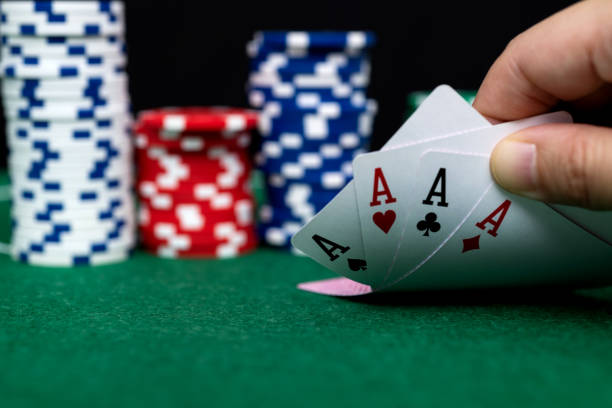
Another important aspect of casino odds is how different games have varying levels of risk and return. Slot machines typically have higher house edges compared to games like blackjack or poker where player skill can influence the outcome. For example, in blackjack, players can reduce the house edge to less than 1% through strategic play and understanding of basic strategy. This highlights that while the odds are generally against players, knowledge and skill can significantly improve your chances in certain games.
Lastly, it’s important to consider the psychological factors at play. Players often feel that luck is on their side, especially after winning a few rounds, leading them to gamble more. This phenomenon is known as the „gambler’s fallacy,” where individuals may believe past events impact future outcomes in games of chance. Understanding the true nature of odds can help players make better decisions about their gameplay and when to walk away.
The Impact of House Edge
The house edge varies from game to game and is a critical factor to understand when assessing your chances of winning. In most casino games, this edge is calculated based on the total amount wagered and the average payout percentages. For example, a game with a 5% house edge means that, on average, you can expect to lose $5 for every $100 wagered. This seemingly small percentage can translate to significant losses over extended periods of play, making it essential for players to be mindful of the games they choose.
Furthermore, different versions of games often have different house edges. Take blackjack, for instance; playing with fewer decks can lower the house edge, making the game more favorable to the player. Conversely, video poker machines might have a wide range of payout percentages, influenced by the specific machine and its settings. Thus, players should always research the rules and odds of the games before committing their money, as even slight variations can lead to drastically different outcomes.
Moreover, the house edge is not just a static number; it can be altered by player choices and strategies. Skilled players can minimize the house edge through informed decisions, such as optimal betting strategies or understanding when to hit or stand in blackjack. This knowledge allows savvy players to shift the odds slightly in their favor, making gameplay more rewarding, although the overall odds still remain against them. Thus, players must weigh their options and strategize effectively to maximize their chances of winning.
The Role of Luck vs. Skill
In the realm of casinos, the debate between luck and skill plays a pivotal role in determining outcomes. Games such as slots rely entirely on chance, with no skill involved whatsoever. Players have absolutely no control over the results, as they are determined by random number generators. In contrast, games like poker or blackjack allow players to employ strategies and techniques that can greatly influence their winning potential. Here, skill and experience can significantly affect a player’s overall success.
Nevertheless, even in skill-based games, luck remains a critical factor. For instance, a skilled poker player can have the best hand but still lose to an opponent who gets lucky with a draw. This unpredictability is what keeps players coming back, as each game is a new opportunity for success, regardless of skill level. Gamblers often navigate a fine line between relying on their abilities and accepting the role of fate in their outcomes.
This interplay of luck and skill also impacts how casinos are perceived. While some players may believe they can consistently win based on their knowledge and expertise, the reality is that everyone faces the inherent risks associated with gambling. The excitement of competing against the odds draws many towards casinos, but understanding the balance of luck and skill can ultimately lead to more informed and responsible gaming experiences.
Psychological Strategies at the Casino
The psychology of gambling plays a significant role in how players interact with games. Many gamblers exhibit behaviors that are influenced by cognitive biases, such as loss aversion, where the fear of losing is greater than the joy of winning. This can lead players to chase their losses, resulting in riskier decisions that can worsen their overall financial situation. Recognizing these psychological tendencies is crucial to maintaining a healthy gaming approach.
Additionally, the concept of „near misses” can strongly affect player behavior. When players almost win, they may perceive that they are close to success, prompting them to continue betting. This feeling can create a sense of hope and lead to prolonged gaming sessions that drain their bankroll. Casinos often leverage these psychological triggers to keep players engaged, hence the importance of understanding one’s mental state during play.
Finally, setting limits and establishing a personal gambling strategy can help combat the psychological traps that casinos set. By deciding in advance on a budget and time limit for play, individuals can protect themselves from excessive losses and ensure that gambling remains a form of entertainment rather than a source of stress. Awareness of one’s emotions and the psychological aspects of gambling can be a powerful tool for maintaining control and maximizing enjoyment at the casino.
Understanding Casino Resources for Players
Many online resources are available to help players navigate the complexities of gambling at casinos. Websites often provide extensive information on game rules, odds, strategies, and tips for responsible gambling. By leveraging these resources, players can enhance their understanding of both the games and the best practices for maintaining a healthy relationship with gambling. Knowledge is a powerful ally when it comes to making informed decisions at the tables.
Furthermore, various online communities and forums allow players to engage with one another, sharing experiences, strategies, and insights. This can be invaluable for novice gamblers looking to learn from the experiences of seasoned players. Participating in discussions can also provide emotional support and encouragement, which can be beneficial during times of both winning and losing. Engaging with a community fosters a sense of belonging and can enhance the overall gaming experience.
In conclusion, understanding the odds, the impact of house edge, and the psychological aspects of gambling can equip players with the tools needed for a more rewarding experience. Leveraging online resources to gather knowledge and engage with fellow gamers can create a supportive atmosphere that encourages responsible gambling practices. By prioritizing education and community, players can operate more confidently in the casino environment and improve their overall chances of success.
